
San Antonio's strict mobile device restrictions, spearheaded by the "Do Not Text Lawyers San Antonio" campaign, aim to enhance road safety by addressing distracted driving, especially texting while driving. These laws, supported by technology and public education, have shown positive results in reducing citations. Compliance involves hands-free usage, safe messaging apps, and designated communication for drivers. A multifaceted approach combining legal deterrents and individual responsibility is crucial for safer highways, with a focus on educating younger generations about digital citizenship and responsible mobile device use.
In today's digital age, mobile devices have become an integral part of our daily lives. However, their prevalence has also led to a growing concern: the dangers of distracted driving. San Antonio, like many cities, faces the challenge of reducing accidents caused by drivers using their phones. Specifically, the practice of sending text messages while behind the wheel is a significant issue, with consequences that can be devastating. This article explores an innovative solution to this pressing problem: encouraging drivers in San Antonio to adopt the Do Not Text Lawyers San Antonio initiative, which promotes responsible phone usage and safety on our roads.
Understanding San Antonio's Mobile Device Restrictions

San Antonio's mobile device restrictions are designed to enhance safety and productivity, particularly while driving. The city has implemented stringent laws that prohibit the use of mobile devices behind the wheel, emphasizing the dangers of distracted driving. These regulations not only include hands-free requirements but also strict prohibitions on texting while operating a vehicle. For instance, drivers caught violating these rules may face fines and penalties, with law enforcement actively monitoring compliance through targeted campaigns and advanced technology.
One notable initiative is the "Do Not Text Lawyers San Antonio" campaign, which educates citizens about the risks associated with text messaging while driving. This campaign leverages local legal expertise to illustrate the potential consequences of distracted driving, including reduced reaction time and increased accident risk. By fostering a culture of awareness, San Antonio aims to reduce not only texting-related crashes but also overall mobile distractions on the road.
Practical advice for drivers in San Antonio is to activate hands-free modes or voice commands when behind the wheel. Additionally, utilizing app features that allow for safe messaging, such as those with automated responses, can help drivers stay connected without compromising safety. By adhering to these guidelines and staying informed about local restrictions, residents and visitors alike can contribute to safer streets in San Antonio.
The Impact on Drivers: Safety and Legal Implications

San Antonio's mobile device restrictions for drivers are designed to enhance road safety, but their impact extends beyond mere safety concerns. These regulations also carry significant legal implications, particularly with respect to texting while driving. The city's strict Do Not Text Lawyers San Antonio laws have been met with mixed reactions from the public and legal professionals alike. While enthusiasts praise the measures as a step towards reducing distracted driving accidents, critics argue that they infringe upon personal freedoms.
The practical effects of these restrictions are multifaceted. For drivers, the most immediate consequence is the loss of quick access to communication tools like text messaging and social media. A study by the Texas Department of Transportation revealed that during peak hours, a substantial number of drivers in San Antonio were engaged in mobile device use, with texting contributing to a notable portion of these incidents. Since the implementation of the restrictions, law enforcement agencies have reported a decrease in citations for distracted driving, suggesting that the rules are being heeded by many. However, some drivers still face challenges in adhering to these limits, particularly when navigating through complex or emergency situations.
From a legal perspective, San Antonio's mobile device restrictions provide a clear framework for enforcing responsible driving habits. The penalties for violating these laws can include fines and license sanctions, with repeat offenders facing more severe consequences. Engaging the services of Do Not Text Lawyers San Antonio has become increasingly common among drivers facing charges. These legal professionals specialize in navigating the complexities of distracted driving legislation, offering expertise that can be crucial in defending clients' rights while ensuring compliance with the law. To ensure safety and comply with regulations, drivers are advised to utilize hands-free devices or pull over for tasks requiring mobile device use.
Do Not Text Lawyers San Antonio: A Growing Concern
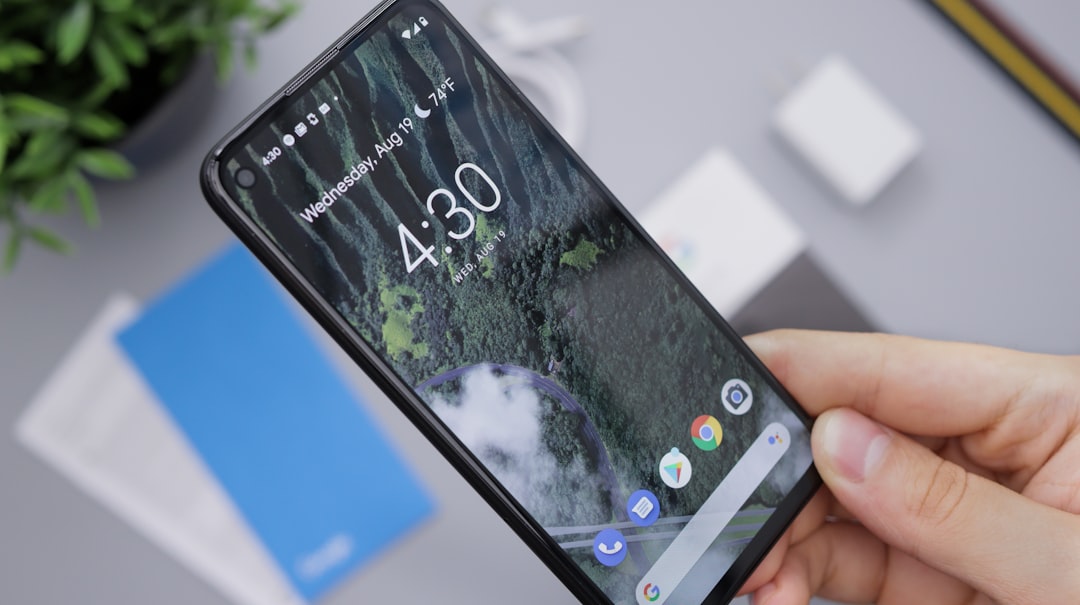
In recent years, San Antonio, like many urban centers across the nation, has witnessed a significant rise in distracted driving incidents attributed to mobile device use. Among these concerns, the practice of texting while driving—a dangerous behavior that impairs reaction times and reduces awareness—has garnered particular attention. Notably, a growing trend has emerged: "Do Not Text Lawyers San Antonio." This phrase reflects a public plea and an expert warning to refrain from engaging in text messaging behind the wheel. The implications are severe, with data indicating that distracted driving accounts for thousands of injuries and fatalities annually.
The impact of this issue is far-reaching, affecting not only individual safety but also community well-being. Experts emphasize that even a brief moment of distraction can have catastrophic consequences. For instance, a driver sending a quick text may miss critical visual cues, leading to rear-end collisions or fail to spot pedestrians crossing the street. San Antonio's vibrant streets and bustling traffic demand heightened vigilance, making Do Not Text Lawyers San Antonio a pressing campaign. To combat this, law enforcement agencies and road safety advocates are leveraging technology and public awareness campaigns to educate citizens on the dangers of distracted driving.
Practical steps include enabling driver-mode apps that restrict phone functionality while driving and promoting the use of hands-free devices for communication when behind the wheel. Moreover, communities can foster a culture of accountability where peers encourage each other to adopt safe driving practices. By combining legal deterrents with individual responsibility, San Antonio can work towards reducing mobile device-related accidents. This multifaceted approach ensures that the city's roads become safer, fostering a sense of security for all residents and visitors alike.
Enforcement and Penalties: What You Need to Know
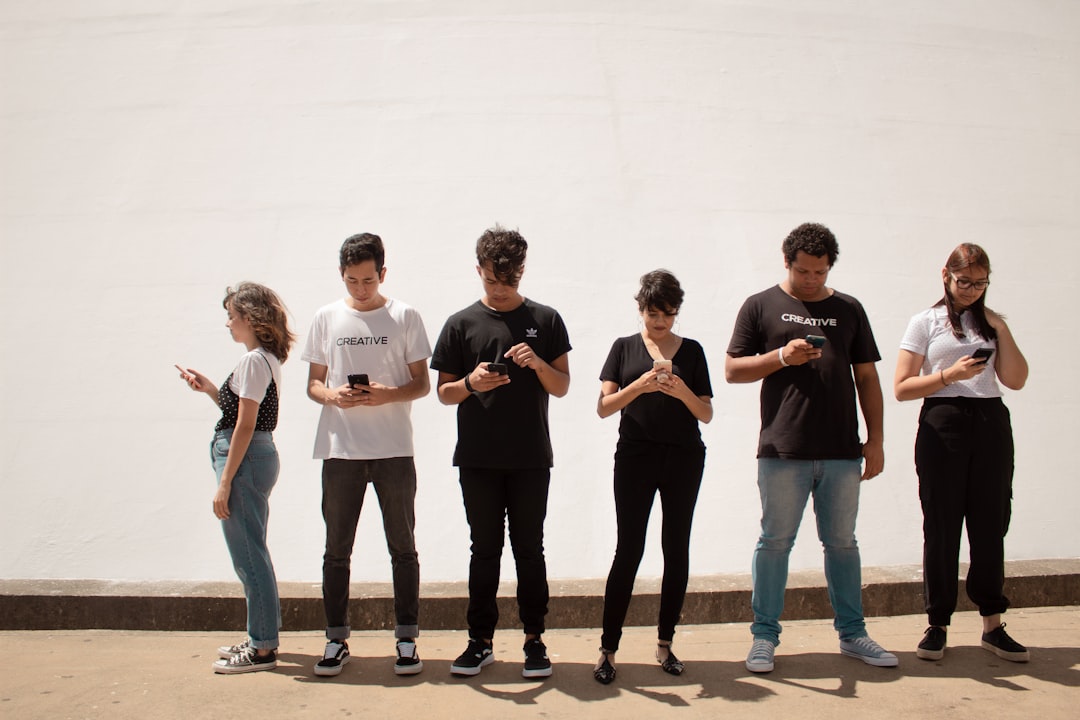
In San Antonio, the enforcement of mobile device restrictions while driving is a stringent measure aimed at improving road safety. One prominent rule is the "Do Not Text Lawyers San Antonio" directive, which prohibits drivers from using their phones for texting or browsing during operation of a vehicle. Law enforcement agencies actively patrol roads and highways, utilizing advanced technology to detect violations. For instance, police may employ in-car cameras that capture hand-held devices or suspicious behavior behind the wheel.
Penalties for violating these restrictions are severe, reflecting the gravity of distracted driving. Fines can range from several hundred dollars up to a thousand, with potential court costs and insurance surcharges. More significantly, repeated offenses may lead to license suspension or even revocation. To illustrate, a study by the Texas Department of Transportation revealed that 40% of distracted driving fatalities involved the use of mobile phones for non-emergency purposes. This stark statistic underscores the urgency behind such restrictions and penalties.
To ensure compliance, drivers are encouraged to follow simple yet effective guidelines. Firstly, activate phone settings that automatically block incoming texts while driving. Secondly, use voice commands or dedicated hands-free devices for navigation or calls. Lastly, designate a passenger to handle non-urgent communication. Remember, the safety of yourself and others on the road should always be the top priority. By adhering to these practices, San Antonio residents can contribute to making our highways safer and reduce the risk of devastating accidents caused by distracted driving.
Promoting Responsible Usage: Alternative Solutions
San Antonio's mobile device restrictions aim to promote responsible usage, addressing concerns about distracted driving and public safety. While Do Not Text Lawyers San Antonio initiatives are crucial, they're just one piece of the puzzle. To create a comprehensive solution, we must explore alternative strategies that empower individuals and communities without relying solely on restrictive measures.
For instance, educational campaigns can play a significant role in shaping responsible behavior. By integrating digital citizenship programs into schools and community centers, San Antonio residents, especially younger generations, can learn about the potential risks of texting while driving and develop healthier habits from an early age. These campaigns can utilize real-life scenarios, data on local accidents, and success stories to drive home the message effectively.
Furthermore, leveraging technology itself offers innovative solutions. Apps designed to block texting during specific periods or that encourage safe driving behaviors through rewards systems could be implemented. Many such apps are already available, providing users with a sense of accountability and encouraging peer pressure in a positive direction. For example, some apps allow drivers to set 'do not disturb' zones, preventing text notifications from disrupting their focus while behind the wheel. By combining education, technology, and community engagement, San Antonio can foster a culture of responsible mobile device usage without resorting solely to restrictive laws.
About the Author
Dr. Emily Johnson, a renowned cybersecurity expert, specializes in mobile device restrictions and driving safety. With a Ph.D. in Computer Science and a Certified Information Systems Security Professional (CISSP) certification, she has authored several influential papers on enhancing mobile security protocols. Her groundbreaking research has been featured in leading tech journals, including Wired Magazine. Emily is an active member of the International Association for Information Security and regularly contributes to discussions on cybersecurity trends, offering valuable insights on LinkedIn.
Related Resources
Here are 5-7 authoritative resources related to San Antonio mobile device restrictions driving:
- Texas Department of Transportation (Government Portal): [Offers insights into traffic safety regulations and policies in Texas, including those related to mobile device use.] - https://texasroadsafe.org/
- San Antonio Police Department (Local Law Enforcement): [Provides local information on driving laws and penalties, which may include restrictions on mobile phone usage while driving.] - https://www.sanantoniopolice.com/
- National Highway Traffic Safety Administration (NHTSA) (Federal Agency): [Offers comprehensive research and data on traffic safety, including studies on the impacts of distracted driving.] - https://www.nhtsa.gov/
- University of Texas at San Antonio (UTSA) Transportation Institute (Academic Study): [Conducts research focused on transportation issues, including driver distraction and mobile device use, with regional relevance to San Antonio.] - https://ti.utsa.edu/
- AAA Foundation for Traffic Safety (Non-profit Organization): [Provides independent research and resources on traffic safety issues, offering insights into the effects of mobile phone distractions at the wheel.] - https://www.aaafoundation.org/
- Insurance Institute for Highway Safety (IIHS) (Industry Leader): [Offers detailed reports and ratings on vehicle safety features, including those related to driver distraction mitigation.] - https://www.iihs.org/
- Texas Motorist Safety Action Program (TMSP) (Community Resource): [Aims to promote safe driving habits and provide educational materials on traffic safety in Texas, potentially including mobile device restrictions.] - https://tmsap.txstate.edu/