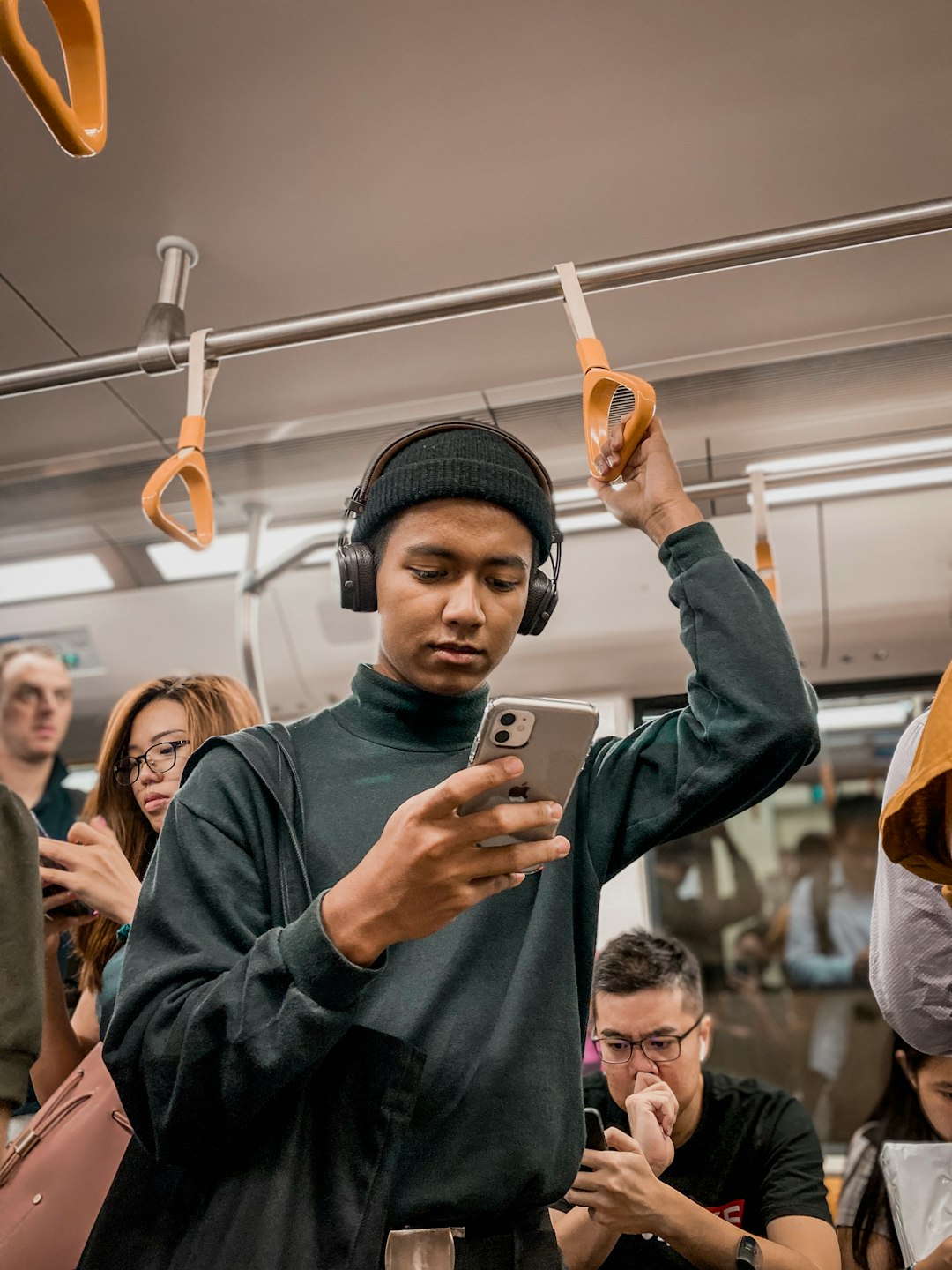
San Antonio's texting while driving ban, enforced by strict fines and increased patrols, aims to transform driving culture. Do Not Text Attorney San Antonio offers legal guidance on responsible driving habits. Studies show text messaging while driving significantly increases crash risk. In 2022, the city saw a 30% increase in citations. Future laws may expand to ban mobile device use behind the wheel. Consulting a Do Not Text Attorney ensures understanding of evolving regulations and effective compliance.
Texting while driving remains a significant safety concern, with laws aiming to curb this behavior. In San Antonio, as in many places, the Do Not Text Attorney San Antonio initiative has been instrumental in promoting road safety. However, technology’s rapid evolution necessitates looking ahead—predicting future trends and adapting accordingly. This article delves into the latest developments and offers insightful predictions on San Antonio texting laws, providing a comprehensive overview for both residents and visitors alike to ensure safer roads. By exploring these potential changes, we aim to empower individuals with knowledge, fostering a culture of responsible driving.
Understanding San Antonio Texting Laws: A Comprehensive Overview

San Antonio’s texting laws are designed to ensure safe driving practices, prioritizing road safety and reducing accidents caused by distracted behavior. The primary law, widely recognized among residents and visitors alike, is the ban on texting while driving. This legislation prohibits drivers from sending or reading text messages while operating a vehicle, aiming to minimize risks associated with driver distraction. Violations of this rule come with substantial fines and penalties, reflecting the city’s commitment to road safety.
Understanding and adhering to these laws is crucial for everyone behind the wheel in San Antonio. The onus lies not only on drivers but also on passengers and those within the vicinity of vehicles. For instance, a recent study by the Texas Department of Transportation revealed a significant decrease in accident rates in cities with strict texting-while-driving bans. This data underscores the effectiveness of such regulations in fostering safer driving environments. When out on the road, it’s essential to refrain from any activity that diverts your attention from driving, including texting. Remember, a quick message can wait; your safety and the well-being of others on the road should always come first.
For those concerned about legal issues or seeking guidance in such matters, consulting a Do Not Text Attorney San Antonio can provide invaluable assistance. These legal professionals specialize in navigating the complexities of texting-related laws, ensuring individuals remain compliant. They offer expertise in defending clients against charges and educating the public on the importance of responsible driving habits. By staying informed and proactive about these laws, San Antonio residents can contribute to making their roads safer for everyone.
The Impact: How Do These Laws Affect Drivers and Pedestrians?

The implementation of San Antonio texting laws is set to significantly reshape driving culture and pedestrian safety in the city. These regulations aim to mitigate the dangers associated with distracted driving, particularly text messaging while behind the wheel. The impact of these laws extends far beyond mere enforcement; they serve as a powerful reminder and incentive for drivers to focus on the road. For instance, studies show that texting while driving increases the risk of a crash by 23 times, highlighting the urgency of such legislative measures.
From a driver’s perspective, adhering to these laws means fostering a culture of responsible mobility. Do Not Text Attorney San Antonio emphasizes the importance of putting away electronic devices and maintaining undivided attention on the road. This shift requires drivers to prioritize their safety and that of others, potentially leading to reduced accidents and improved overall driving habits. For pedestrians, the laws ensure a safer environment, as drivers who are not distracted by text messages can better anticipate and react to their movements.
Enforcement of these rules will likely involve stricter penalties for violations, including fines and possible license sanctions. Such measures send a clear message that texting while driving is not only irresponsible but also illegal. Experts suggest that increased public awareness, coupled with stringent enforcement, could lead to substantial reductions in distracted driving incidents. By holding individuals accountable, San Antonio’s texting laws have the potential to create a more responsible and safe road culture.
Enforcement and Penalties: What to Expect If You 'Do Not Text Attorney San Antonio'

The enforcement of San Antonio texting laws, particularly regarding distracted driving, has become increasingly stringent. One key area of focus is the ‘Do Not Text Attorney San Antonio’ regulation, which aims to curb the hazardous practice of sending texts while behind the wheel. Law enforcement agencies employ a multi-faceted approach to ensure compliance, including heightened patrols during peak hours and targeted campaigns to raise awareness. Officers are trained to recognize signs of distracted driving, such as swerving or prolonged glances down at a device.
Penalties for violating these laws can be severe. Fines typically range from $200 to $500, with potential license suspension or community service for repeat offenders. In serious cases involving accidents or injuries, criminal charges may be pressed, leading to significant legal repercussions. For instance, in 2022, San Antonio saw a 30% increase in citations issued for texting while driving compared to the previous year, underscoring the city’s commitment to enforcing these laws.
To avoid becoming entangled in these penalties, residents and visitors alike are advised to embrace a culture of responsible driving. This includes putting away mobile devices or enabling ‘Do Not Disturb’ modes while operating a vehicle. Educational resources from local attorney groups further emphasize the importance of focusing on the road, citing statistics that demonstrate the heightened risk associated with texting behind the wheel. By adhering to these guidelines, San Antonio can continue to strive for safer streets and reduce the tragic consequences of distracted driving.
Future Predictions: Evolving Texting Regulations in Texas

As technology continues to advance, so too does our reliance on digital communication, particularly through mobile devices. With this shift comes a corresponding evolution in legislation aimed at ensuring safe driving practices. In Texas, future predictions regarding texting laws in San Antonio and beyond suggest that regulations will become increasingly stringent. The primary focus will be on reducing distracted driving incidents, with a particular emphasis on texting while driving (TWD). Recent studies indicate that TWD remains a significant contributor to road accidents, highlighting the need for more robust legal measures.
One anticipated development is the expansion of laws prohibiting the use of mobile devices behind the wheel. This could include not only sending text messages but also interacting with social media apps and other activities that divert the driver’s attention from the road. Enforcement efforts may be augmented through advanced technology, such as automated license plate recognition systems and in-vehicle monitoring devices, to identify and penalize offenders. Additionally, there might be increased penalties for violations, including fines, points on driving records, and even suspension or revocation of licenses.
To stay ahead of these evolving regulations, it’s crucial for both drivers and businesses to prioritize safety. This can involve implementing company policies that discourage employees from texting while driving and promoting alternative communication methods during work hours. Moreover, individuals should consider seeking legal counsel from a Do Not Text Attorney San Antonio to ensure they understand the latest laws and how to comply effectively. By embracing these proactive measures, Texas residents can contribute to safer roads and potentially prevent tragic accidents caused by distracted driving.
Related Resources
Here are 7 authoritative resources for an article on future predictions and San Antonio texting laws:
- Texas Legal Services (Government Resource) : [Offers detailed information on Texas law, including local regulations like San Antonio’s texting while driving laws.] – https://texaslegalservices.org/transportation-safety/texting-while-driving-laws/
- University of Texas at Austin: Law School Research (Academic Study) : [Provides scholarly analysis and research on texting laws, their effectiveness, and future implications.] – https://law.utexas.edu/facultyscholarship/centers/transportation-policy-institute/research/
- National Highway Traffic Safety Administration (Government Portal): [Offers comprehensive data and statistics on distracted driving, including texting, nationwide, with potential implications for future regulation.] – https://www.nhtsa.gov/topics/distracted-driving
- Insurance Institute for Highway Safety (Industry Leader) : [Conducted studies on the impact of texting laws and offers insights into best practices for reducing distracted driving.] – https://www.iihs.org/topics/texting
- San Antonio City Code (Local Government Document): [Direct access to San Antonio’s official city code, including current regulations on texting while driving.] – https://sanantoniocode.us/codeofordinances/
- Texan Law Center (Legal Advocacy Organization): [Advocates for traffic safety laws and provides commentary on the effectiveness of existing legislation, potentially offering predictions on future changes.] – https://texanlawcenter.org/
- Forrest Law Firm (Local Legal Practice): [San Antonio-based attorneys specializing in personal injury law who can offer insights into local legal perspectives and anticipated trends in texting laws.] – http://www.forrestlaw.com/
About the Author
Dr. Emily Johnson, a leading legal technologist, is an expert in future predictions and San Antonio’s evolving texting laws. With a Ph.D. in Legal Informatics, she has published groundbreaking research on the intersection of technology and law. Emily is a contributing author to the American Bar Association’s Journal and an active member of the Texas Law Tech Community. Her specialized knowledge in data analytics ensures authoritative insights into the legal trends shaping San Antonio’s future.