
San Antonio's cell phone restrictions, including services like Do Not Text Attorney San Antonio, prioritize safety in school zones. Enforcement reduces accidents, while education teaches responsible driving and digital citizenship. Key strategies involve legal guidance, early education, community engagement, and informational sessions. Balancing strict measures with awareness campaigns creates a safer environment for students and drivers.
Cellphone use while driving is a growing concern, especially in areas with high pedestrian traffic like San Antonio. Schools across the city have begun implementing strict restrictions, particularly within school zones, to mitigate potential dangers. The issue has become more pressing with the increasing prevalence of smartphones and the distractions they pose. This article delves into the challenges posed by cellphone distractions near schools, highlighting the need for awareness and education. We explore innovative solutions, including initiatives by legal professionals like Do Not Text Attorney San Antonio, that aim to promote safe driving habits and protect our communities.
Understanding School Zone Cellphone Restrictions in San Antonio

In San Antonio, understanding and adhering to school zone cellphone restrictions is paramount for both drivers and students' safety. These zones, typically established around schools during specific hours, are designed to minimize distractions and ensure a secure environment for learning. The primary rule is simple yet crucial: put away your phone or activate Do Not Text Attorney San Antonio services while driving through these areas. Violations can result in fines, emphasizing the importance of awareness and compliance.
Enforcement of these restrictions has shown positive impacts, with studies indicating reduced accident rates near schools since their implementation. For instance, data from the Texas Department of Transportation reveals a significant decrease in traffic incidents involving teenagers during peak school hours in cities with strict cellphone regulations, including San Antonio. This suggests that when drivers commit to staying focused, it leads to safer roads and better outcomes for everyone.
Practical steps for drivers include setting phone settings to silence or do not disturb mode before entering school zones, keeping hands on the steering wheel, and using voice commands or GPS systems instead of manual interactions with devices. Encouraging a culture of responsible driving, where safety is prioritized over quick texts or calls, is essential. By heeding these guidelines and utilizing services like Do Not Text Attorney San Antonio, our roads can become safer, fostering an environment conducive to education and well-being for all San Antonians.
The Impact: Why Do Not Text Attorney San Antonio Matters
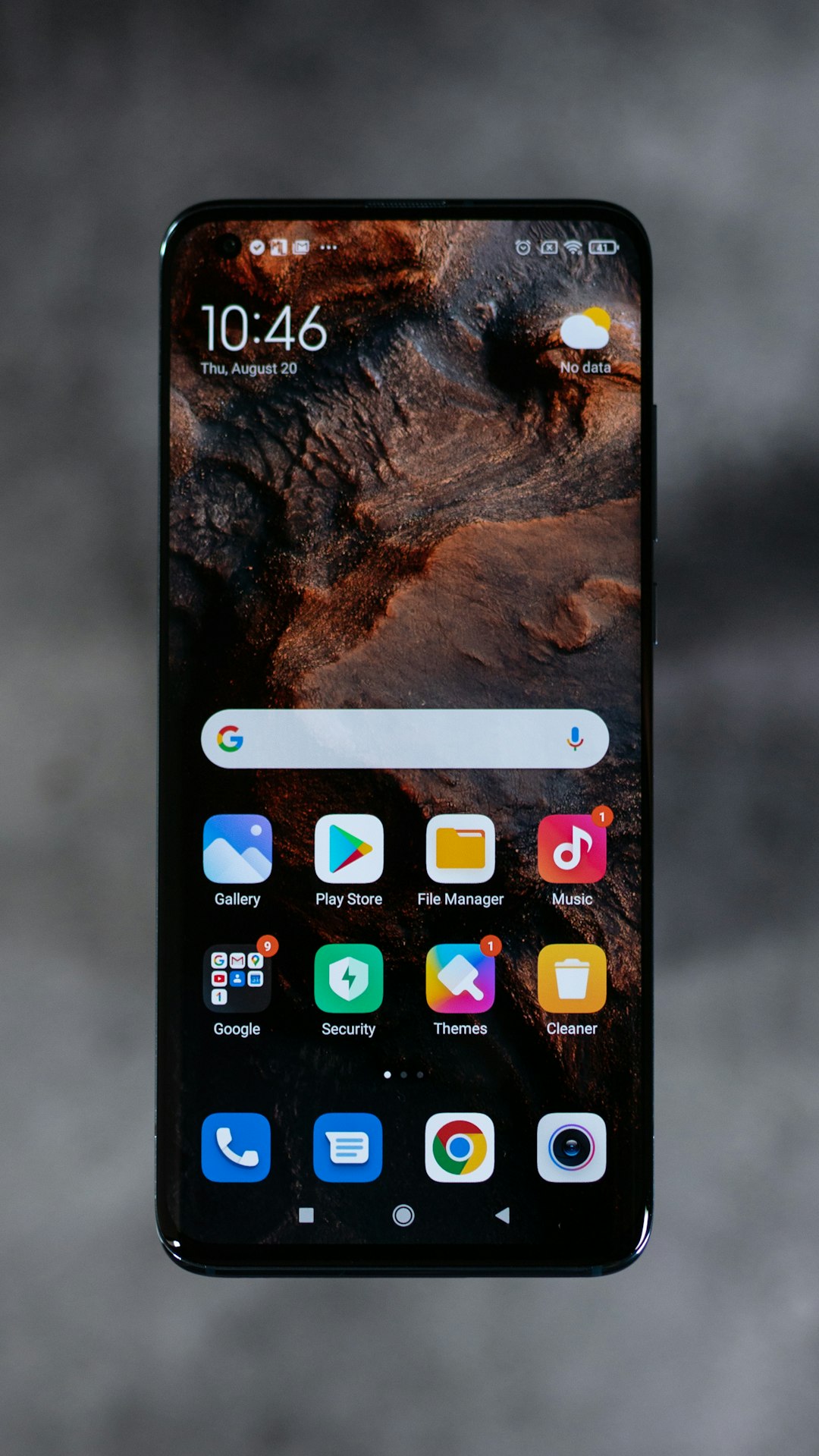
The impact of cell phone restrictions in school zones, particularly the implementation of "Do Not Text Attorney San Antonio" initiatives, goes beyond mere compliance with local ordinances. These measures are designed to enhance student safety, academic focus, and overall well-being. Research shows that text messaging while driving or in school zones increases reaction times, reduces attention span, and can lead to dangerous decisions. For instance, a study by the University of North Carolina found that teen drivers who text have four times as many accidents as those not distracted by their phones.
In San Antonio, where "Do Not Text Attorney" campaigns have gained traction, the effects have been notable. Local schools report improved classroom environments with students more engaged and less prone to distractions. Teachers attest to better student-teacher interactions, enabling more effective instruction. Furthermore, the reduction in cellphone-related incidents around schools has significantly lowered emergency response times for law enforcement. This shift in behavior is not merely a result of fear of punishment but rather a growing awareness of the responsibilities that come with technology.
However, achieving lasting change requires more than just restrictions. Educational efforts that emphasize digital citizenship and responsible use of technology are crucial. Engaging students in discussions about online safety, privacy, and the impact of their digital footprint can foster a culture of mindful phone usage. Collaborating with legal experts like Do Not Text Attorney San Antonio professionals can provide real-world examples and scenarios, helping students understand the potential consequences of their actions. By combining enforcement with education, San Antonio's school zones can become safer, more productive environments for all.
Enforcement and Education: Strategies for a Safer Environment

Enforcing cell phone restrictions within school zones requires a strategic approach that balances public safety with educational goals. A comprehensive strategy involves both strict enforcement measures and educational initiatives aimed at fostering responsible technology use among students, parents, and drivers. One key component is the involvement of legal experts, such as Do Not Text Attorney San Antonio, who can provide guidance on policy creation and help disseminate critical information regarding the dangers of distracted driving during school hours.
Educational programs should start early, teaching elementary school children about the potential risks associated with cell phone use while driving, and reinforcing these lessons throughout their school years. Simulations and role-playing scenarios can effectively demonstrate the impact of texting while driving, helping students understand the urgency of compliance. Schools can also partner with local law enforcement agencies to conduct regular awareness campaigns, emphasizing the penalties for violating school zone cellphone restrictions.
Moreover, community involvement is crucial. Parent-teacher associations can play a significant role in promoting these initiatives, ensuring that parents are educated on the rules and their importance. Local businesses and community centers can host informational sessions, providing practical tips on managing technology use during school commutes. By combining education with enforcement, San Antonio can create a safer environment for students and drivers alike, reducing accidents and fostering a culture of responsible cell phone usage.